Why You Should Put Your Fingers Inside Your Mouth for a Sharper Face

If you have ever visited a high-end facialist in Los Angeles or New York, you might have been surprised when they put on gloves and started massaging the inside of your cheeks. It sounds strange, even a bit invasive, but "buccal massage" is the secret weapon of celebrities who seem to have eternal, razor-sharp cheekbones. The best part? You don’t need a $500 appointment to get the results. You just need clean hands and three minutes before bed.
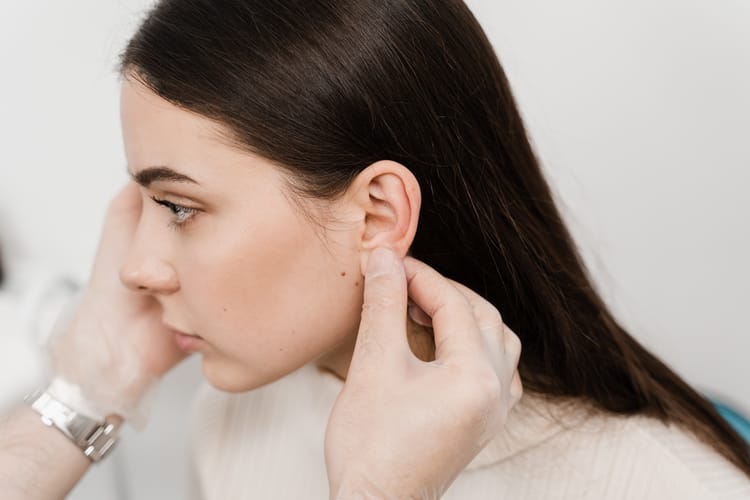
As someone who has been exploring facial anatomy for years, I realized early on that massaging the face from the outside is only doing half the job. Your facial muscles are layered, and some of the most significant tension-the kind that creates jowls and wide jawlines-is tucked deep inside the oral cavity. By accessing the muscles from both sides, you can achieve a level of release and "lift" that topical treatments simply cannot touch.
The Masseter: Your Face’s Stress Sponge
The primary target of intraoral massage is the masseter muscle. This is the muscle you use to chew, and for most American women, it is where we store every ounce of daily stress. When this muscle is chronically tight, it shortens and bulks up, making the lower face look "square" and heavy. Over time, this tension pulls down on the cheeks, contributing to those stubborn nasolabial folds.
How to Perform the Buccal Release
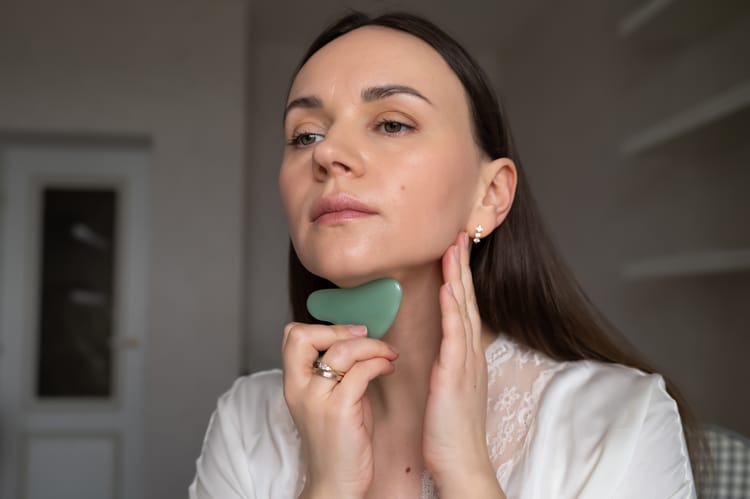
Wash your hands thoroughly. You want zero friction, so ensure your hands are clean and you have a bit of oil on the outside of your cheeks.
- The Thumb Anchor: Take your thumb and place it inside your mouth, tucked into the back corner of your cheek. Your index finger should be on the outside, gripping the same area.
- The Knead: Gently "knead" the muscle between your thumb and finger. Move in small, slow circles. You will likely find "knots" or areas that feel tender. This is where the fascia is stuck.
- The Stretch: While holding the muscle between your fingers, slowly open your mouth as wide as you can. You will feel a deep, intense stretch from the inside out. Repeat this five times on each side.
- The "Ironing" Stroke: Using your thumb inside the cheek, "sweep" the tissue from the corner of your mouth back toward your jaw joint. Imagine you are ironing out the wrinkles in a piece of silk from the underside.
The Science of Deep Tissue Release
Why is the "inside-out" approach so effective? It’s about reaching the "trigger points" that are physically impossible to access through the skin alone. To understand how internal muscle release affects external facial symmetry and tension, you can explore this clinical study on myofascial trigger points in the masseter. Understanding the complexity of these attachments makes it clear why a two-dimensional massage isn't enough.
Why This Beats Fillers for Lower Face Sagging
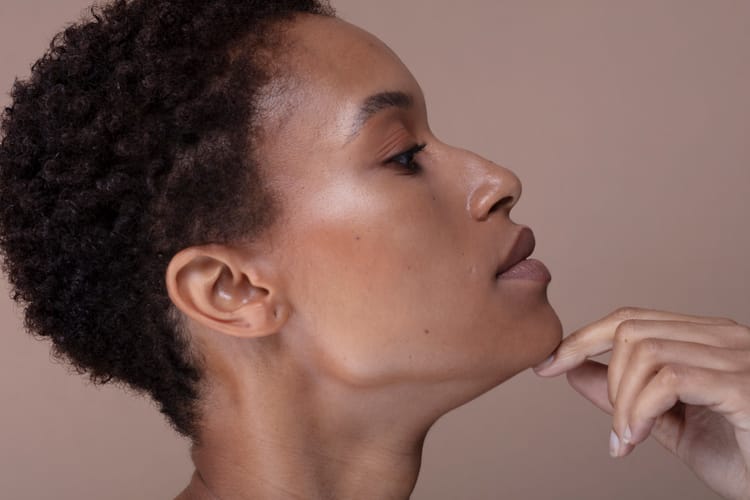
When people see "sagging," they often think they need to add volume with fillers. But often, the skin is just being dragged down by tight, shortened muscles. By releasing the masseter and the buccinator (the "sucking" muscle in your cheek), you allow the tissue to relax back into its natural, higher position. It creates a "hollowed" look under the cheekbone that is much more elegant and natural than the "puffy" look of overfilled cheeks.

Your Action Step for Tonight
Tonight, while you are in the shower or finishing your evening skincare, give yourself a three-minute buccal release. Focus on finding that one "hot spot" of tension and breathe into it. You will wake up with a face that feels lighter, a jaw that doesn't ache, and a profile that looks significantly more defined.