Gua Sha vs. Hands: Which is Actually Better for Sculpting Your Cheekbones?
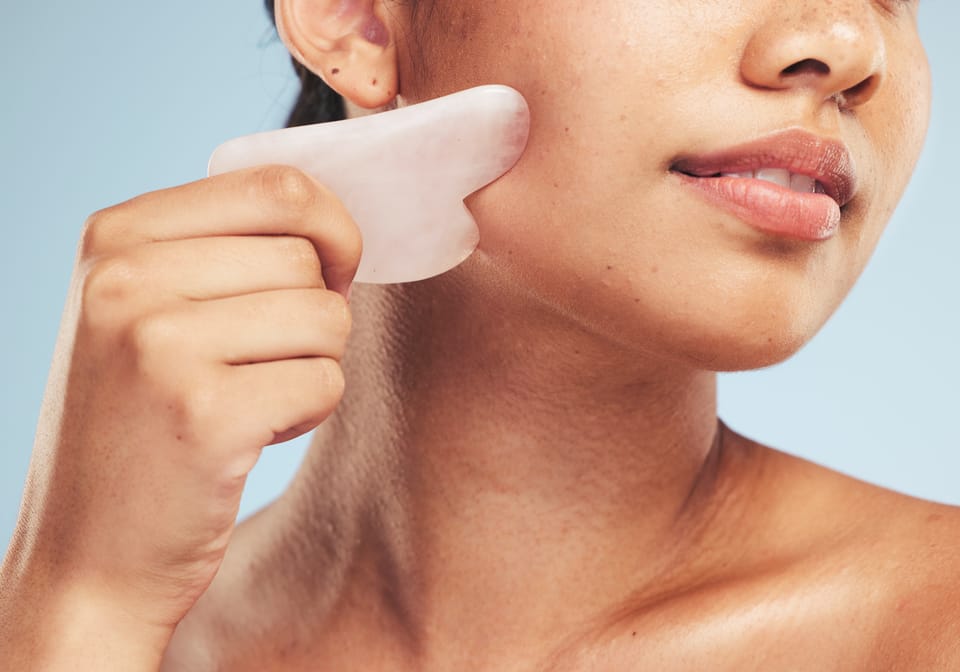
If you’ve spent any time on social media lately, you’ve seen the beautiful stones. Rose quartz, jade, and obsidian tools shaped like hearts or wings, gliding over glowing skin. Gua sha has become a massive trend in the US, and for good reason. But as someone who has been practicing natural sculpting for years, I often get asked the same question: Do I really need the stone, or can I just use my hands?
The answer isn't a simple yes or no. It’s about understanding the different "languages" these two methods speak to your facial anatomy. Both have a permanent place in my routine, but they serve very different purposes when it comes to defining those cheekbones.
The Power of the Human Touch
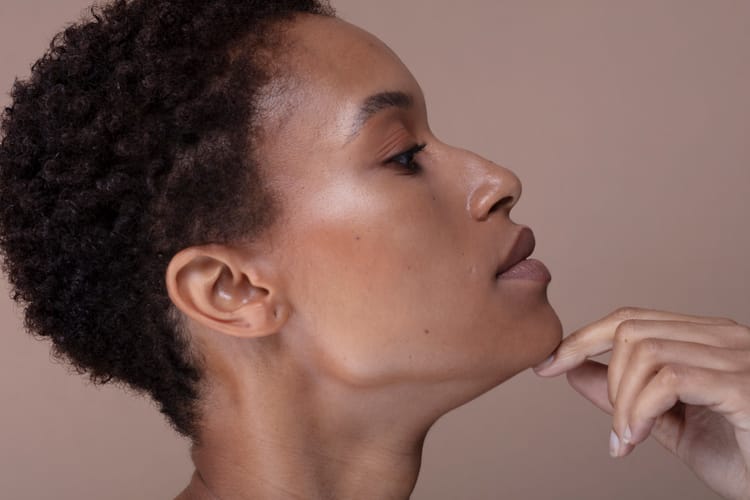
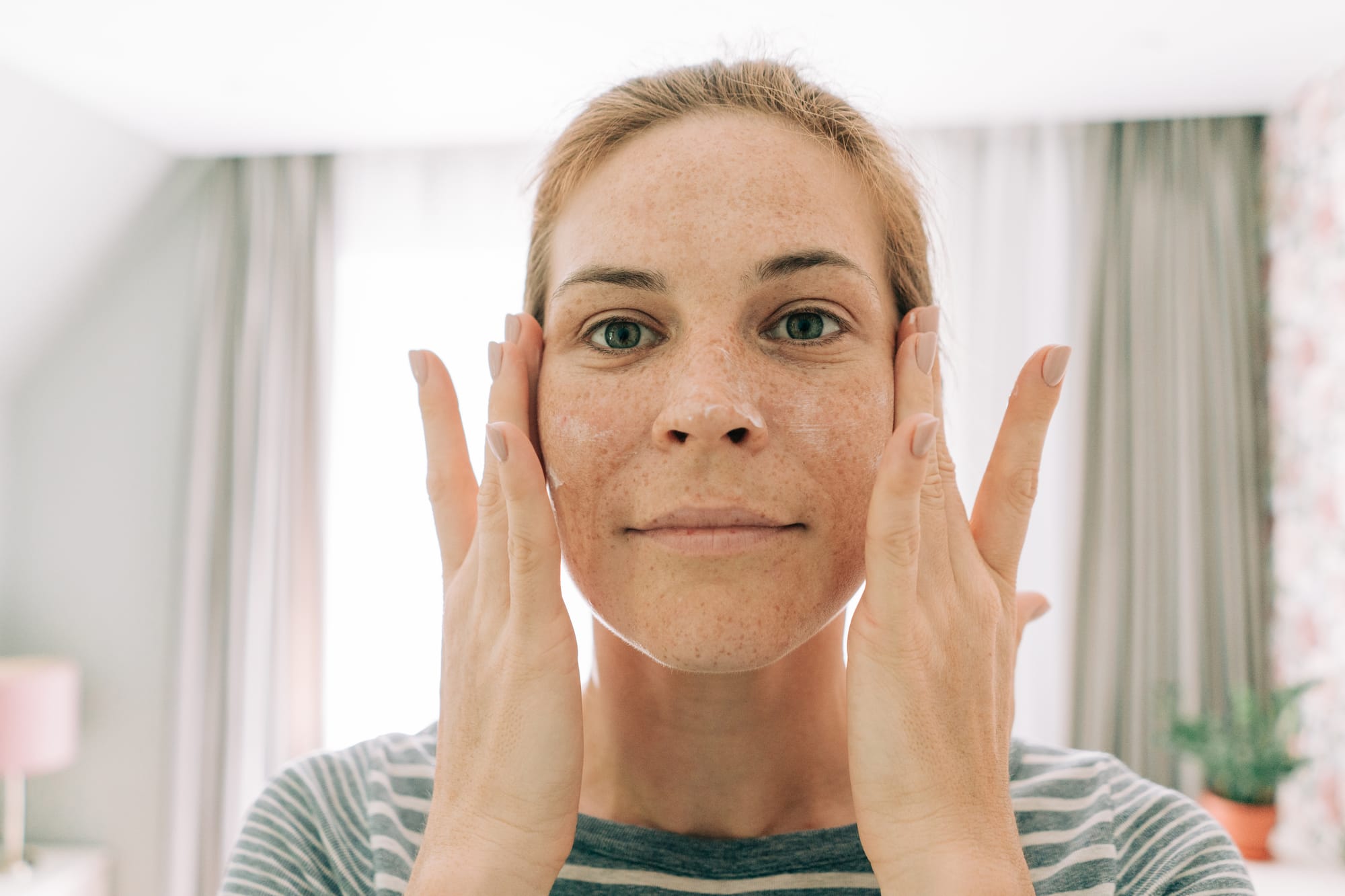
There is something irreplaceable about the warmth and intuition of your own hands. Your fingertips are highly sensitive sensors. They can feel exactly where your facial muscles are holding onto tension, where you have a "knot" in your masseter, or where your skin feels particularly congested.
When we use our hands for face yoga and sculpting, we are primarily working with muscle resistance and deep tissue release. Your knuckles can get deep into the attachments of the zygomatic muscles (your cheekbone muscles) in a way that a flat stone sometimes cannot. Using your fingers allows for "pinching" and "lifting" movements that create a minor, healthy trauma to the tissue, signaling the body to send more blood and nutrients to the area.
Why the Gua Sha Tool Changes the Game
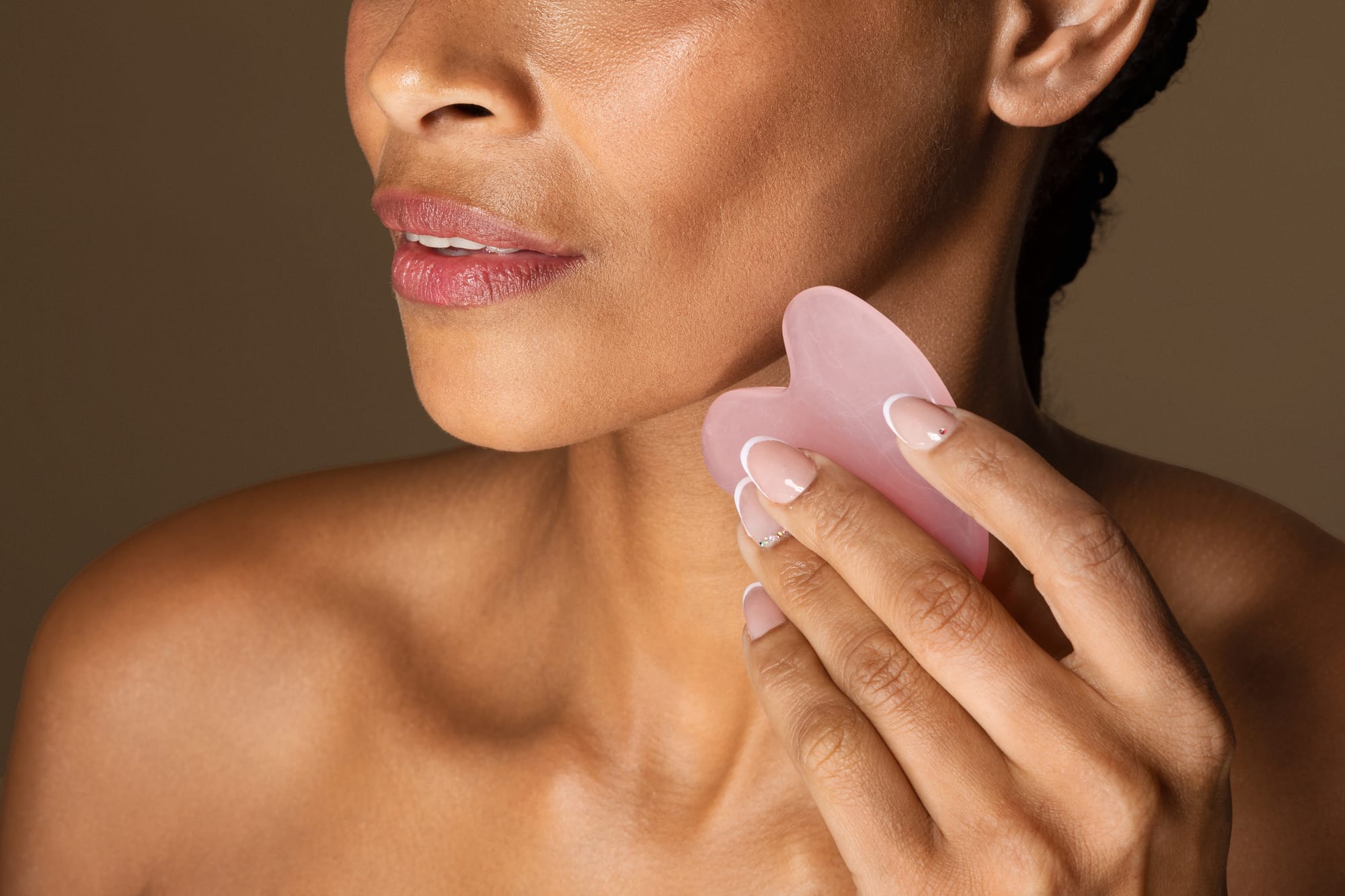
If hands are for the muscles, the gua sha tool is for the fascia and the fluid. Fascia is the connective tissue that wraps around everything under your skin. When fascia becomes "stuck" or tight, it can give the face a heavy, fallen appearance.
The smooth, cold edge of a high quality stone provides a level of even pressure and friction that fingers simply can’t replicate. A gua sha tool allows you to:
- Target the Fascia: The flat surface of the stone "irons out" the connective tissue, creating a smoother, more lifted surface.
- Precise Drainage: The specific curves of a stone are designed to fit the contours of the jaw and cheekbone perfectly, acting like a squeegee for excess fluid.
- Cooling Effect: Natural stones stay cool, which helps constrict blood vessels and instantly reduces redness and puffiness.
The Verdict: Which Should You Choose?
If your goal is volume and muscle tone, stick with hand based face yoga exercises. You need that resistance to "bulk up" the muscles that keep your face looking full and youthful.
However, if your goal is definition and de-puffing, the gua sha is your best friend. It is the undisputed queen of creating that "snatched" look by moving stagnant lymph away from the mid face.
For the best results, I always recommend a hybrid approach. Start with three minutes of manual face yoga to wake up the muscles, followed by two minutes of gentle gua sha strokes to drain the fluid you've just mobilized.
A Note on Technique
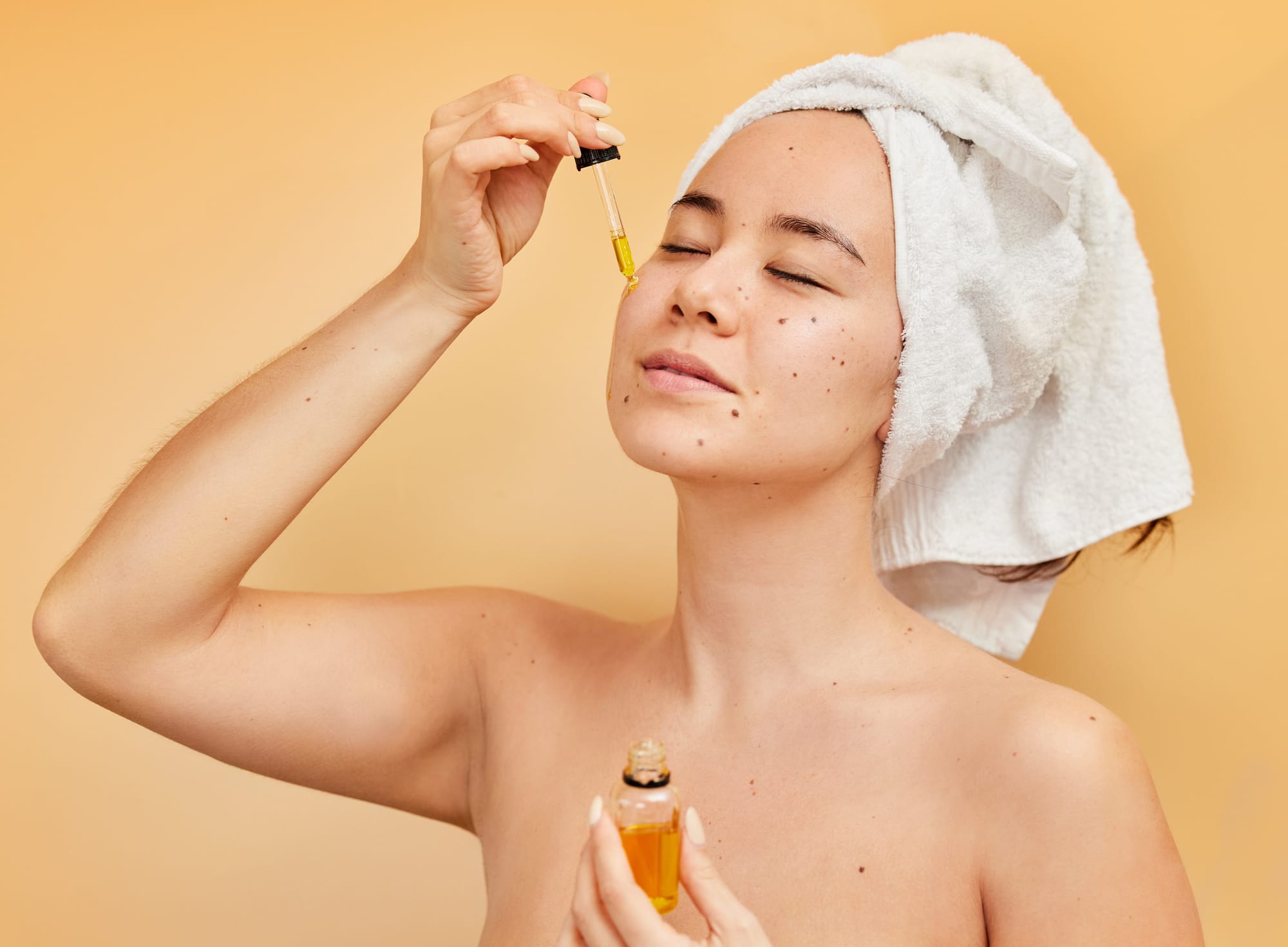
Regardless of which method you choose, you must never work on "dry" skin. Dragging your fingers or a stone across dry skin causes micro-tears and can actually contribute to wrinkles. You need a high quality slip.
Understanding the anatomy of your skin layers is crucial for long term success. You can explore this clinical overview of facial anatomy to visualize the muscles and fat pads we are working to lift. Knowledge is the first step to a truly effective practice.
How to Start Tomorrow Morning
Try this: tomorrow, use your knuckles to "hook" under your cheekbones and lift upwards five times. Then, take your gua sha tool and stroke from the side of your nose out toward your ear with very light pressure. Notice the difference in how that side of your face feels compared to the other.
Natural sculpting is an art form, and you are the artist. Whether you use the latest obsidian tool or the tools you were born with, the most important factor is showing up for yourself every single day.